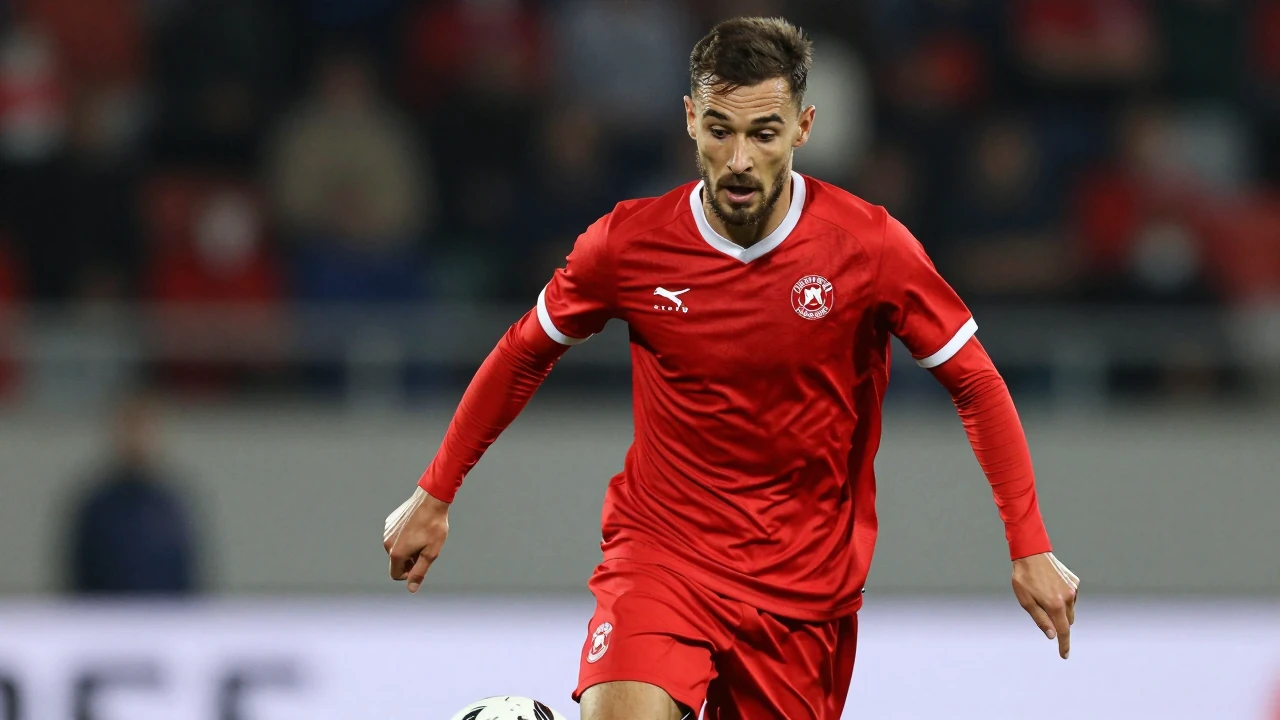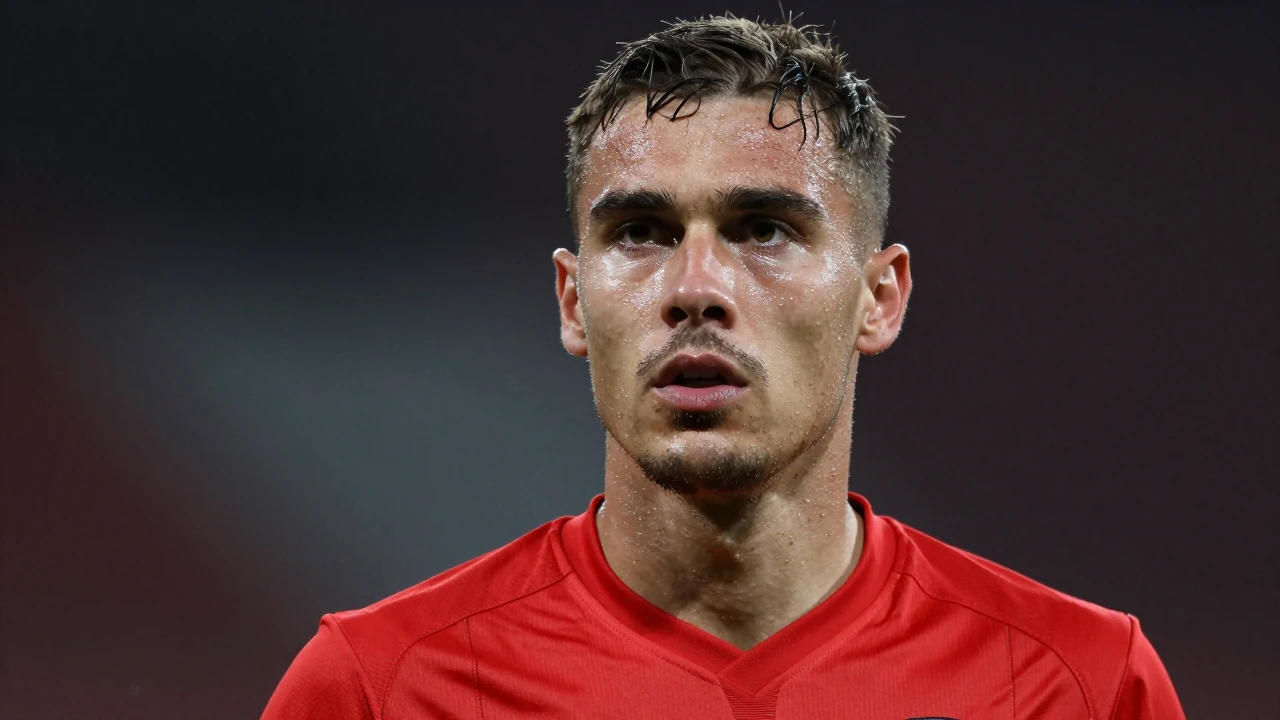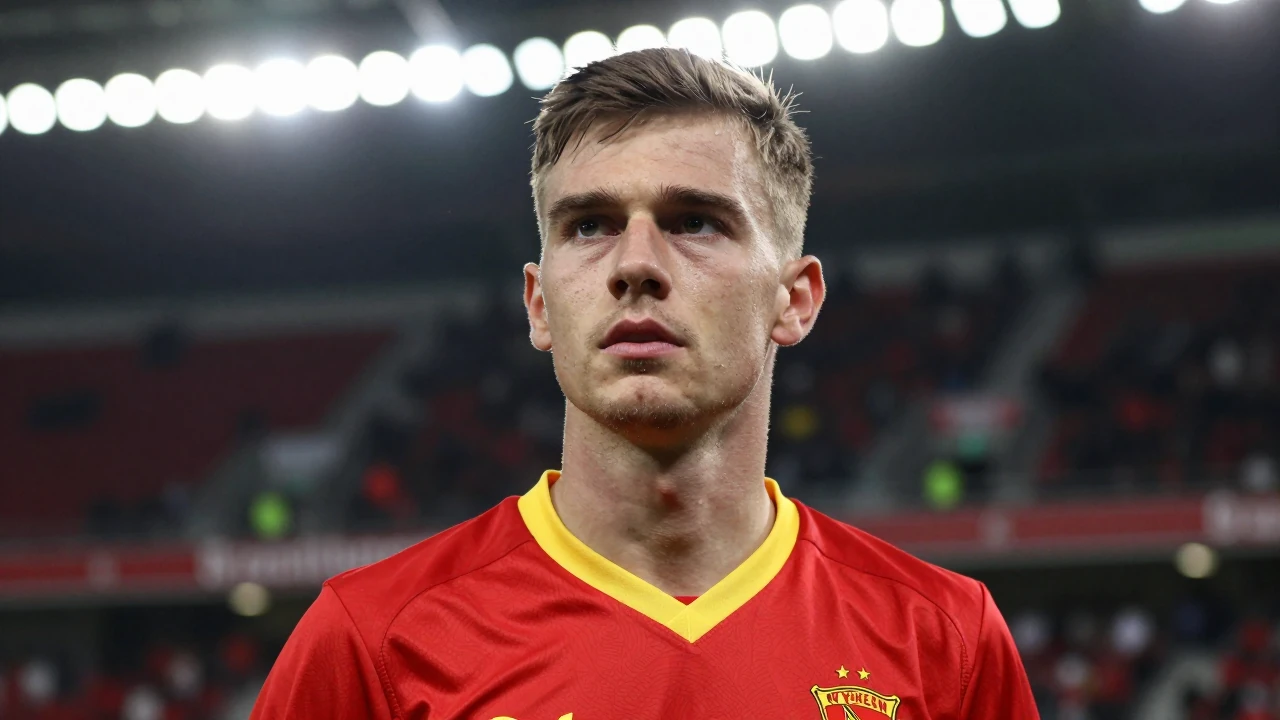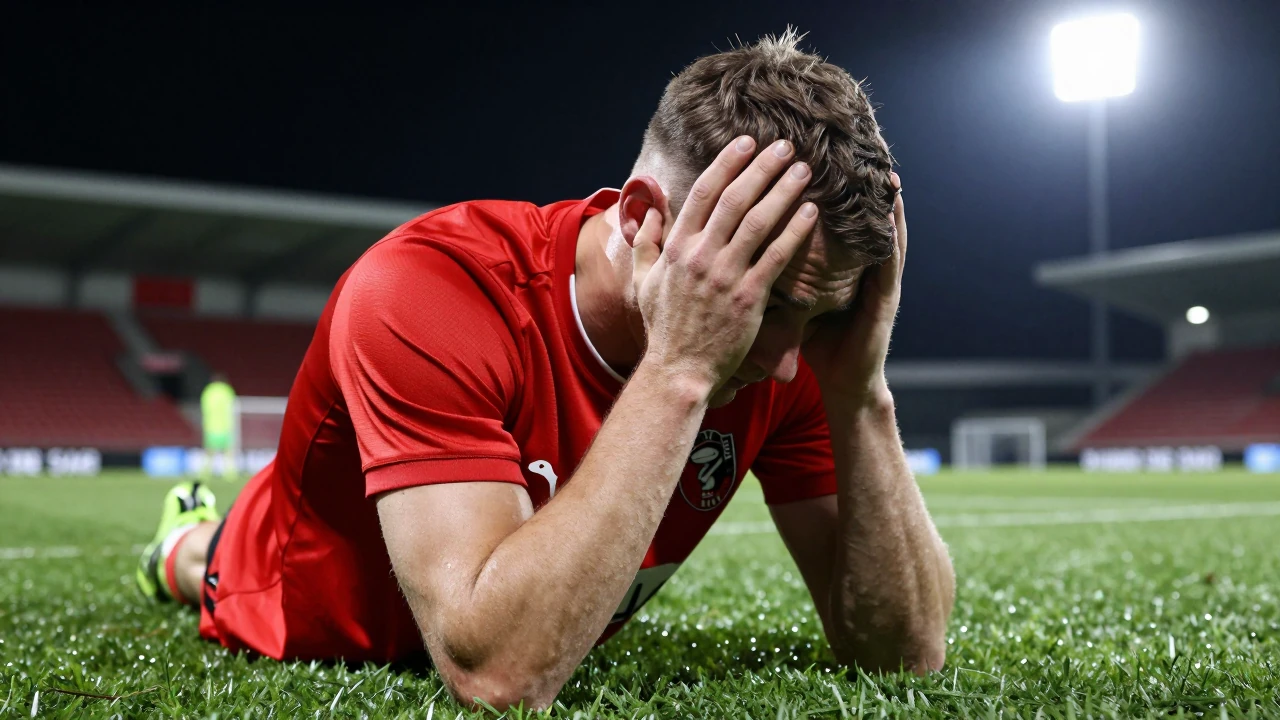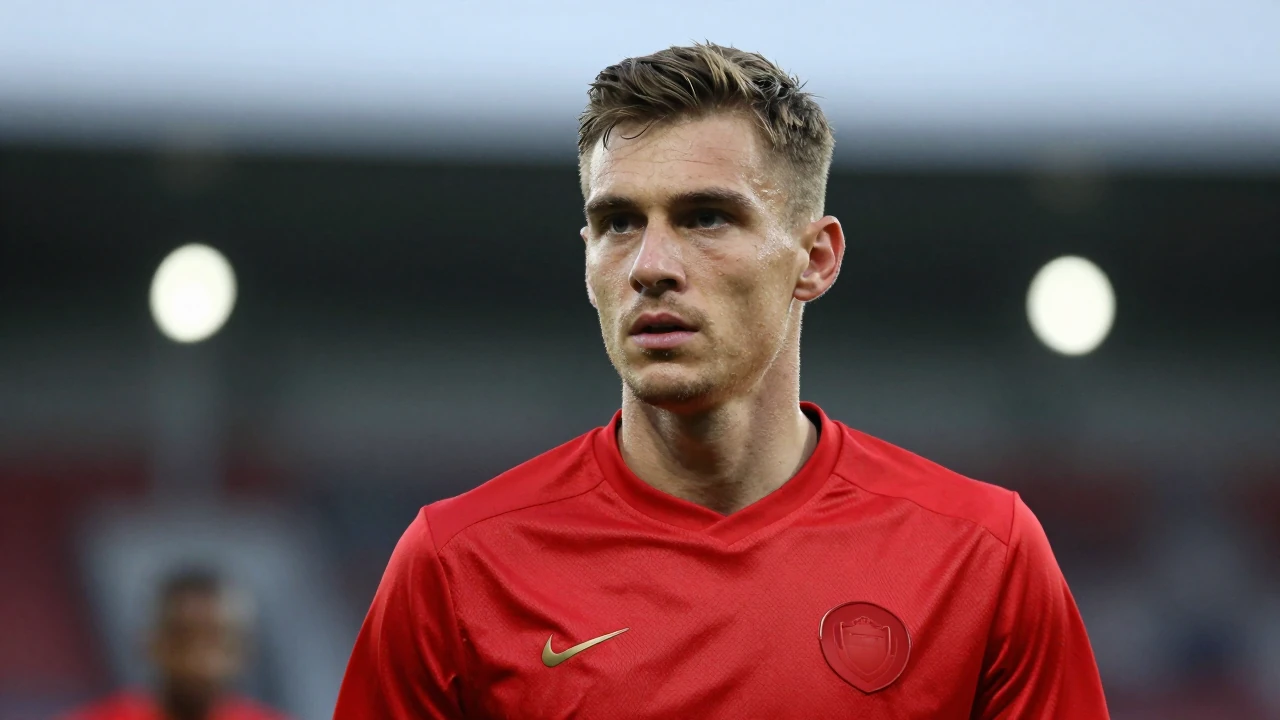
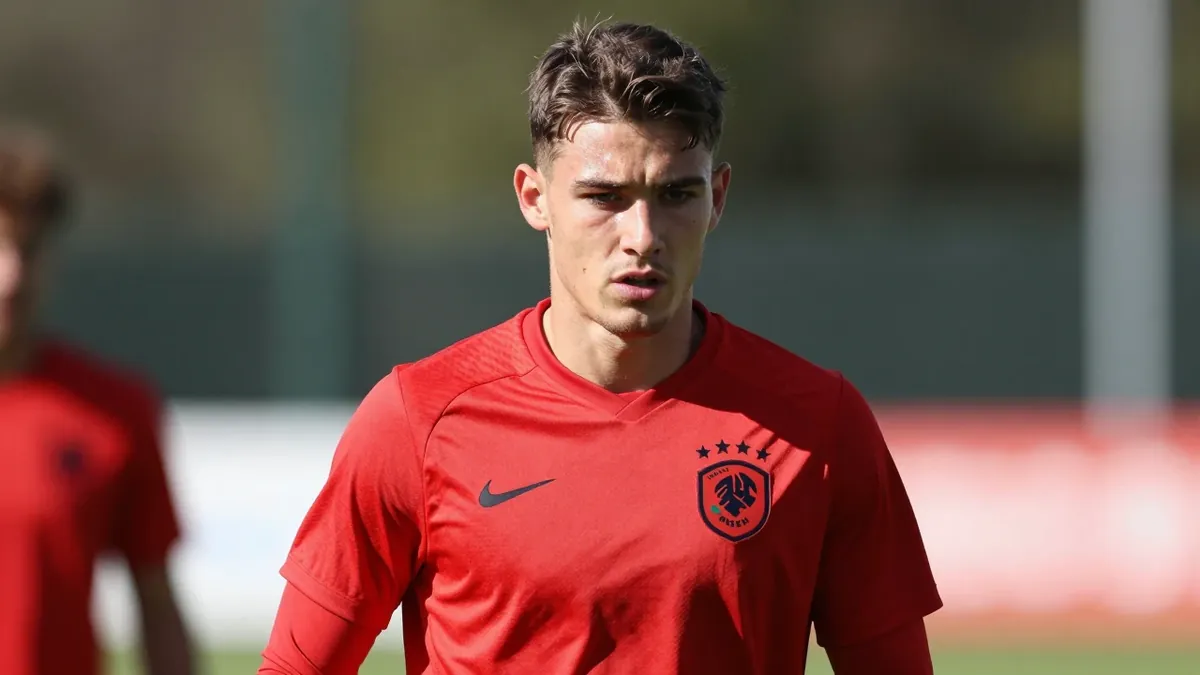
KV Mechelen has been attracting Dutch footballers for decades, a phenomenon deeply rooted in the club's most successful era. The club serves as an ideal learning and development school for talent from the north, a role that is extra relevant in the current season. Malinwa currently sits 14th in the Jupiler Pro League with just one point from three games and a goal difference of -4, and must prove in the coming weeks that it is a safe harbour for ambition.
The connection between KV Mechelen and the Netherlands is inextricably linked to the golden eighties. Led by Dutch coach Aad de Mos, the club won the league title, the cup and the European Cup Winners' Cup during that period, beating Dutch side Ajax in the final. Key figures in that team were Dutchmen like Erwin Koeman, Graeme Rutjes, Wim Hofkens and Piet den Boer. That legacy lives on. Erwin Koeman, a club legend, still follows Malinwa weekly and visited a home match against Anderlecht with his son Len a few months ago. "For my father, it feels like coming home," says Len Koeman, whose place of birth on his passport is Mechelen.
For contemporary Dutch players, the reasons are practical and sporting. The distance is short, the language is no barrier and cultural differences are limited. But the main driver is sporting development. "More duels, more transitions, more meters run. These are qualities players also need when they want to make the step to a bigger European competition," player agent Len Koeman told Nieuwsblad. He sees the Belgian league as an underestimated learning school that is more physical and intense than the Eredivisie. For a player just missing out on a starting spot at a Dutch sub-top club, a move to Mechelen is less drastic than an adventure in Spain or Italy, and often financially more attractive than at a club like PEC Zwolle.
KV Mechelen has proven to be an effective stepping stone for players aiming higher. In the recent transfer window, Mathis Servais (21) moved to Millwall, Redouane Halhal (23) to Venezia and 17-year-old Moncef Zekri moved from the youth academy to Sporting Lisbon. This outflow creates space for new talent. The club's sporting cell knows how to convince players well, but the final choice lies with the player himself. Len Koeman, who represents players including Bouke Boersma, says: "I am primarily focused on guiding players to a good place. If that place is Malinwa, then it is Malinwa." His father Erwin and Piet den Boer recently informed Boersma about the club via a video call.
The constant influx of Dutch talent is a strategy, but it also presents challenges for the club. Club icon Piet den Boer reflects on the difference with the past: "In the past you bought a player and you continued with them for three or four years. Then you could build." Young players arrive with the ambition to develop and quickly take a next step. For KV Mechelen, which currently trails leaders Club Brugge by eight points, finding the balance between development and results is essential. The next opportunity to pick up points is the home match against KVC Westerlo on September 5th, a duel against the current bottom-placed team. Fans can follow the preparations and the current standings on the club website. The coming weeks must show whether the trusted formula of Dutch influx can help pull the team out of the lower part of the table and lay the foundation for a more stable season.